
The Familiar Reader and the New Form
Science Fiction, Fantasy and Horror Genre and Rating GuideThis flow follows how readers encounter formats that challenge ordinary expectations about what a book is.
increasing Bearing strength in each event
 decreasing
Bearing strength in each eventdecreasingEncountering Fragments
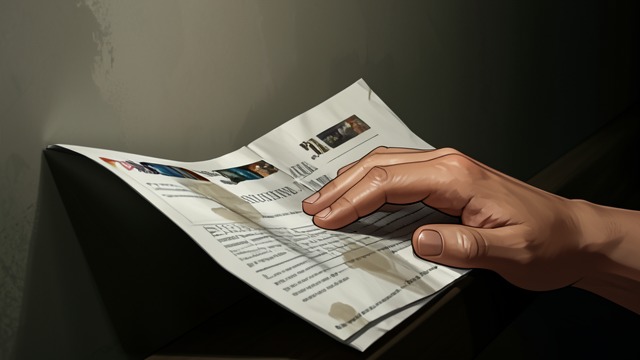
Incomplete Encounters
Partial Texts
Excerpts and prologues offer access without delivering a complete narrative. They can attract readers, but they also create uncertainty about the work beyond the sampled passage.
New Expectations
The guide separates excerpts from novels so that readers understand the difference between invitation and completion.
Format awareness becomes part of literary literacy.
Following Serials
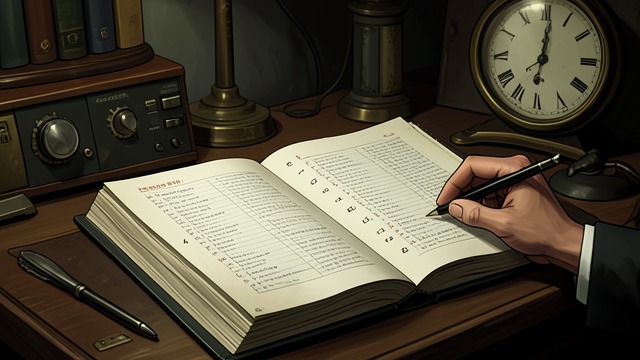
Reading by Installment
Delayed Completion
Serial formats turn narrative into a process of waiting. Readers may encounter a story in pieces, with each installment changing the meaning of what came before.
Cataloguing Sequence
The guide's serial markers preserve order and distinguish continuing publication from isolated short fiction.
The reader learns to value duration as part of form.
Accepting Multiple Forms
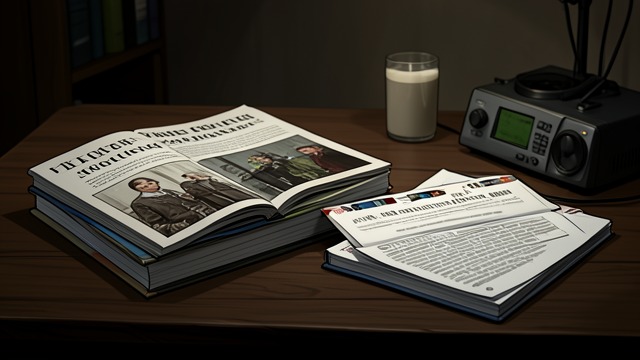
Beyond the Conventional Book
Expanded Definition
The catalogue presents magazines, interviews, collections, excerpts, and serials alongside novels. Reading becomes an activity that can move through many containers.
Flexible Practice
The reader's final adaptation is practical flexibility. Instead of asking whether an item is a normal book, the reader asks what kind of encounter it offers.
The guide broadens the meaning of literary participation.
when excerpt entries first appear
during the serial listings
near the guide's final entries
